- Shido Kapi
A member of Anjū no Chi (Place of Settlement), a Kyoto-based theatre collective. Their work is characterized by a strong focus on physicality and is often created from stories gathered through firsthand stays and field research in various regions. In recent years, they have developed works exploring themes deeply connected to place, including festivals, sericulture, river basins, and housing complexes. They were selected as an ACY Artist Fellow for the 2023 season.
Their short play Arts, for which they wrote and directed the script, received the Audience Award at the 16th Sengawa Theatre Competition. Their play Kai Koroku: Factory Girl Edition, depicting the life of a young woman working in a silk-reeling mill, was awarded the Grand Prize at the 11th Hokkaido Drama Award.
Official Program
”Tajima-no-kuni-no”
Shido Kapi/Anjū no Chi
Area
- Kami
- Asago
- Shinonsen
Venue
Date and Time
Hamasaka Senjin Memorial Museum – Imeitei
Sep.22(Tue)
Taishakuji Temple
Sep.24(Thu)
Asago Art Village
Sep.26(Sat)
Performance Duration
Performance Language
Admission Fee
Free / Reservation Required
Those Who Once Lived Here—People, Beasts, and Wanderers:
A Folk Theatre of Tajima-no-kuni
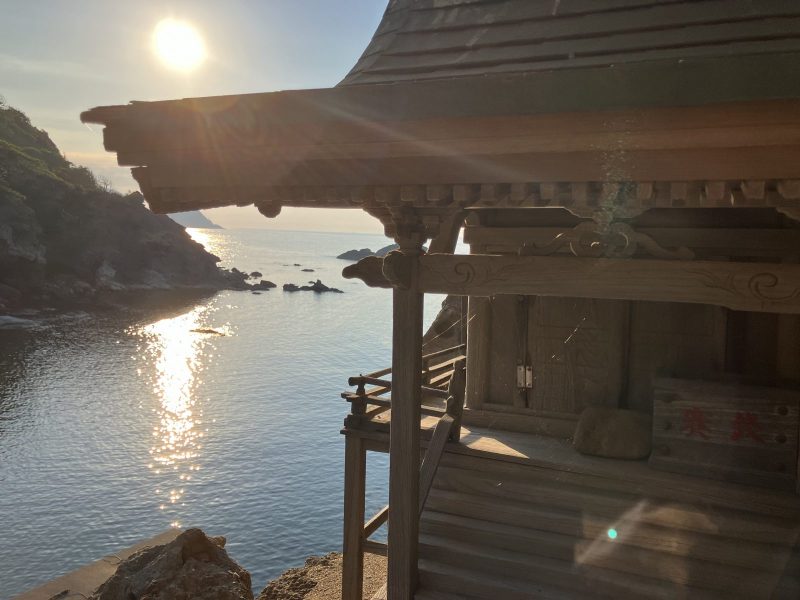
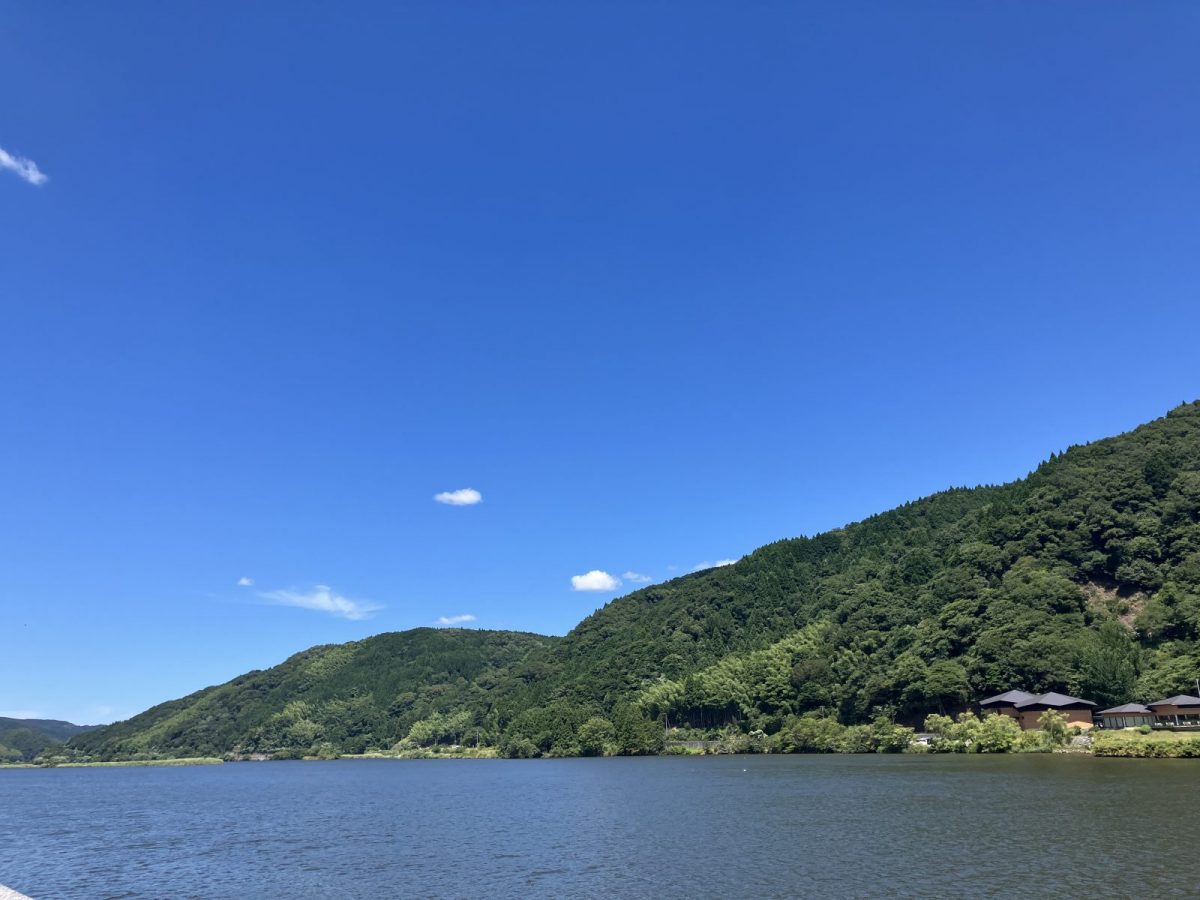
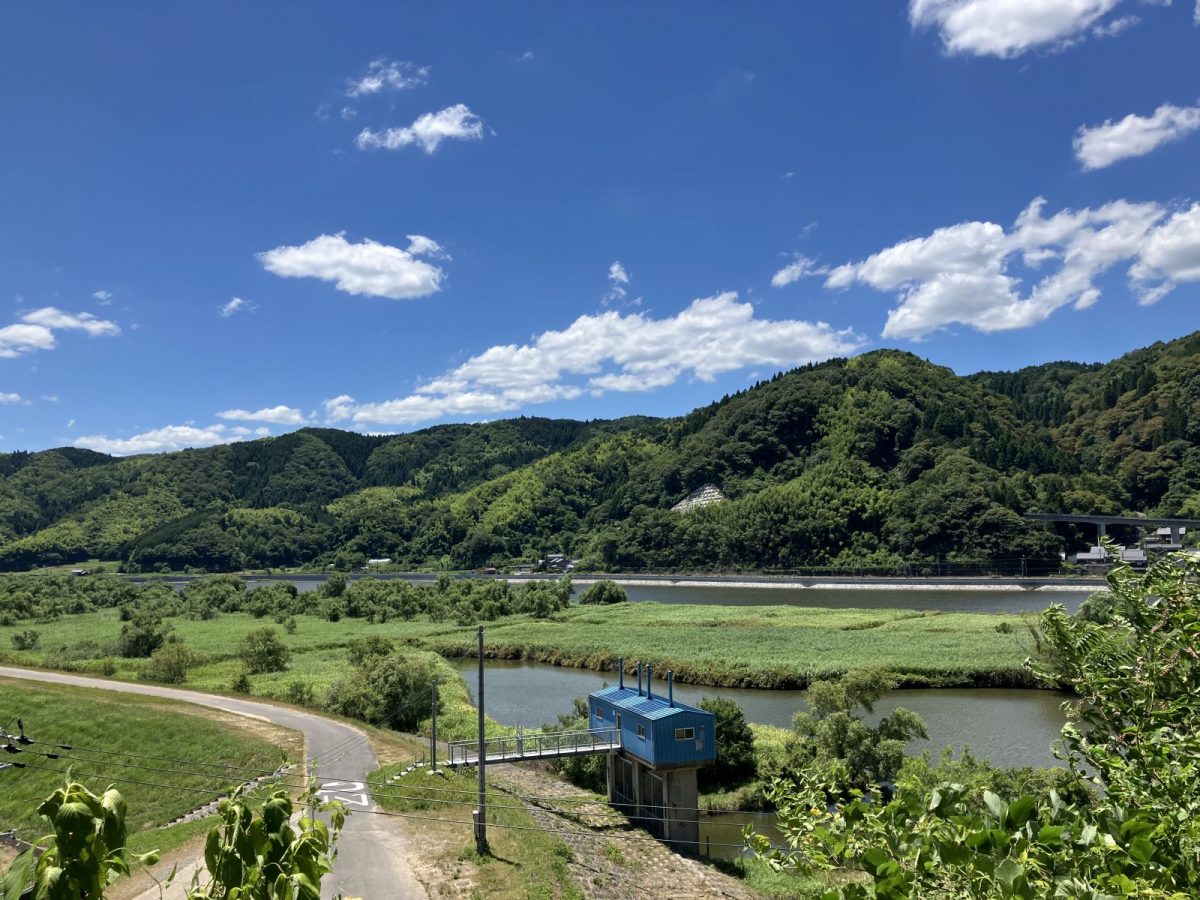
sea above and bisected by the Maruyama River, which runs boldly through its heart, lies the land of Tajima. This is a story of the lives of the many beings—past, present, and yet to come—who have set foot upon this land.
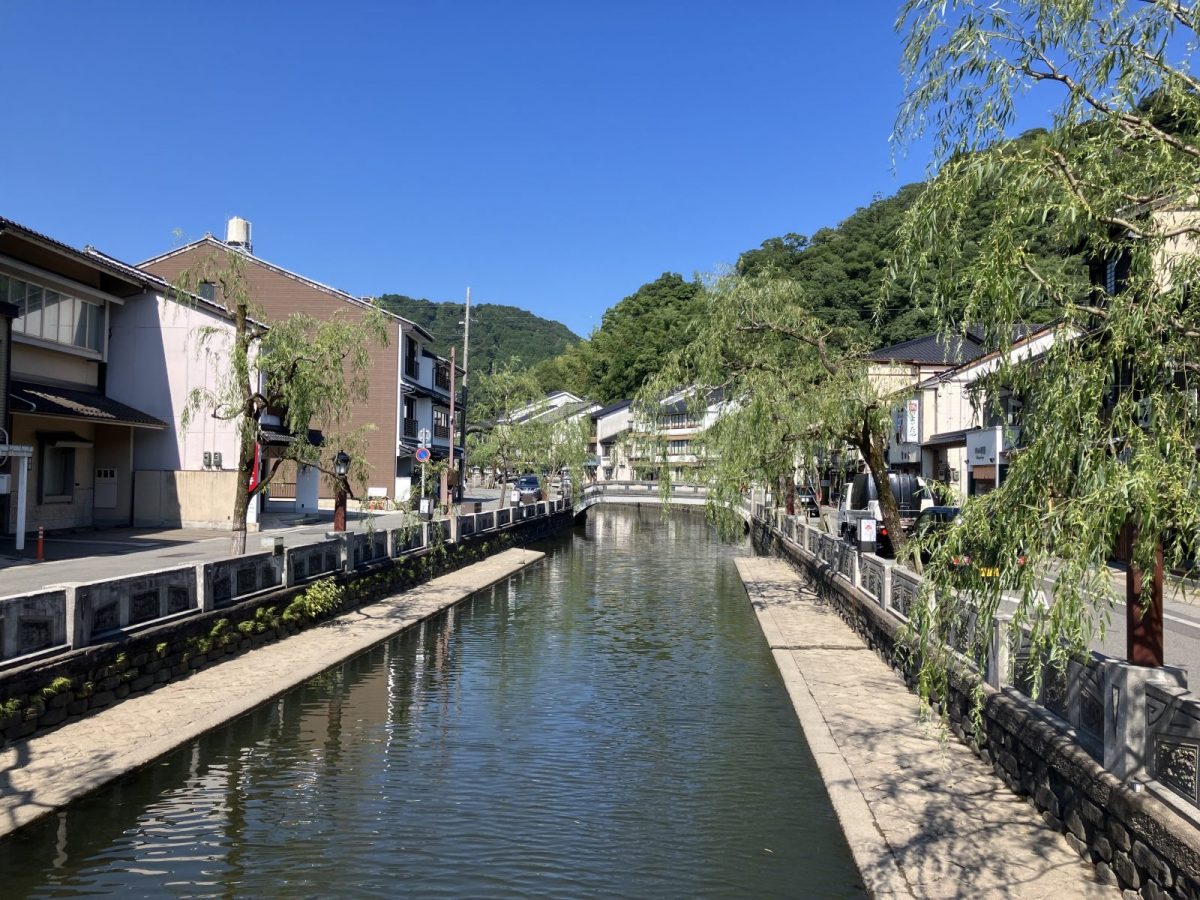
Long, long ago, wanderers crossed the sea from distant islands, bringing with them new cultures. The people welcomed them with great joy, and civilization flourished. Migratory birds descended upon the land, dipping their wounded feet into steaming fissures in the earth. The healing waters became known far and wide, drawing the sick from distant places and giving rise to those who would receive and care for them.
Nature spread itself generously across the landscape, concealing iron within the river and gold, silver, and copper within the mountains. More and more living beings gathered here. Creatures on two legs and four moved freely across the land. Houses were built, villages formed, towns emerged, and prosperity grew. At times the rivers overflowed and the earth trembled, yet there were always those who remained, persevering and making their lives here.
This land has bid farewell to those who departed and welcomed those who arrived anew. It has always been a place where wanderers come to rest. Tajima receives those who come and does not pursue those who leave.
At a time when people increasingly struggle over ownership and belonging, this work looks back through the history of this land in order to imagine its future.