



- Mulawali Institute
Mulawali Institute is an interdisciplinary artistic research and performing arts production initiative based in Denpasar, Bali. Founded in 2019, Mulawali creates theatre and performative practices that are critical, responsive, and open, while creating conditions for artists to work, meet, and grow. Through its initiatives, Mulawali offers another way of reading Bali as a social, aesthetic, and political field connected to contemporary global realities.
In practice, Mulawali is building a working environment through a network of associate artists. This network encourages horizontal knowledge exchange and opens space for embodied experiences, situated perspectives, and approaches across theatre, dance, performance art, literature, visual art, and curatorial practice.
Mulawali works experimentally and collaboratively through laboratories and performance production. Its activities include archiving, research, publication, festivals, arts programmes, and alternative learning formats rooted in local histories. Works have emerged from long-term artistic research, including Squatting & Dance (2021), Membaca Sanghyang (2023), and Decolonial Expo & Bali (2025).With a documentary-speculative approach, each work and programme is understood as an open site of knowledge for reflection, sharing, and growth. Mulawali seeks to build another horizon for knowledge in and through performing arts, grounded in Bali as a layered, situated, intersecting, and not always harmonious lived experience.
Official Program
“THE (FAMOUS) SQUATTING DANCE”
Mulawali Institute
Area
Date and Time
Sep. 24 (Thu) 20:00
Sep. 25 (Fri) 20:00
Performance Duration
Box Office: 40 mins before
Doors Open: 30 mins before
Performance Language
Subtitles: English and Japanese surtitles
Admission Fee
Free (Reservation Required)
The squatting body quietly unsettles histories, memories, and structures of power.
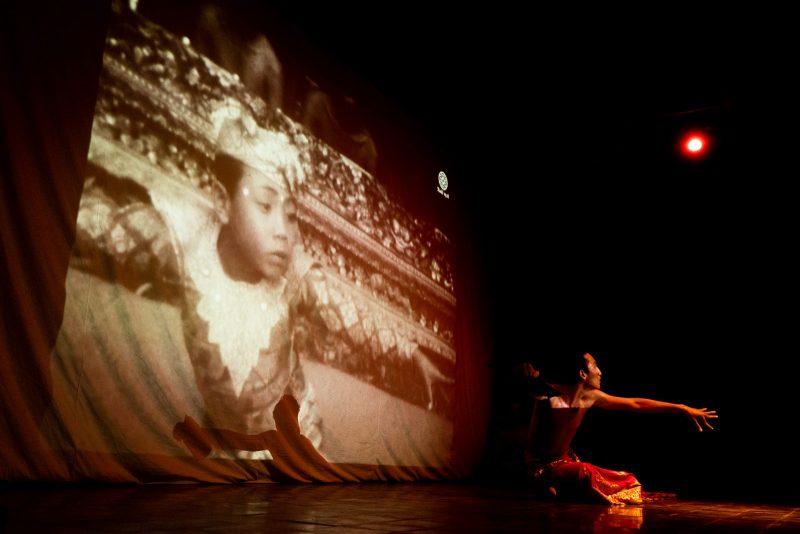
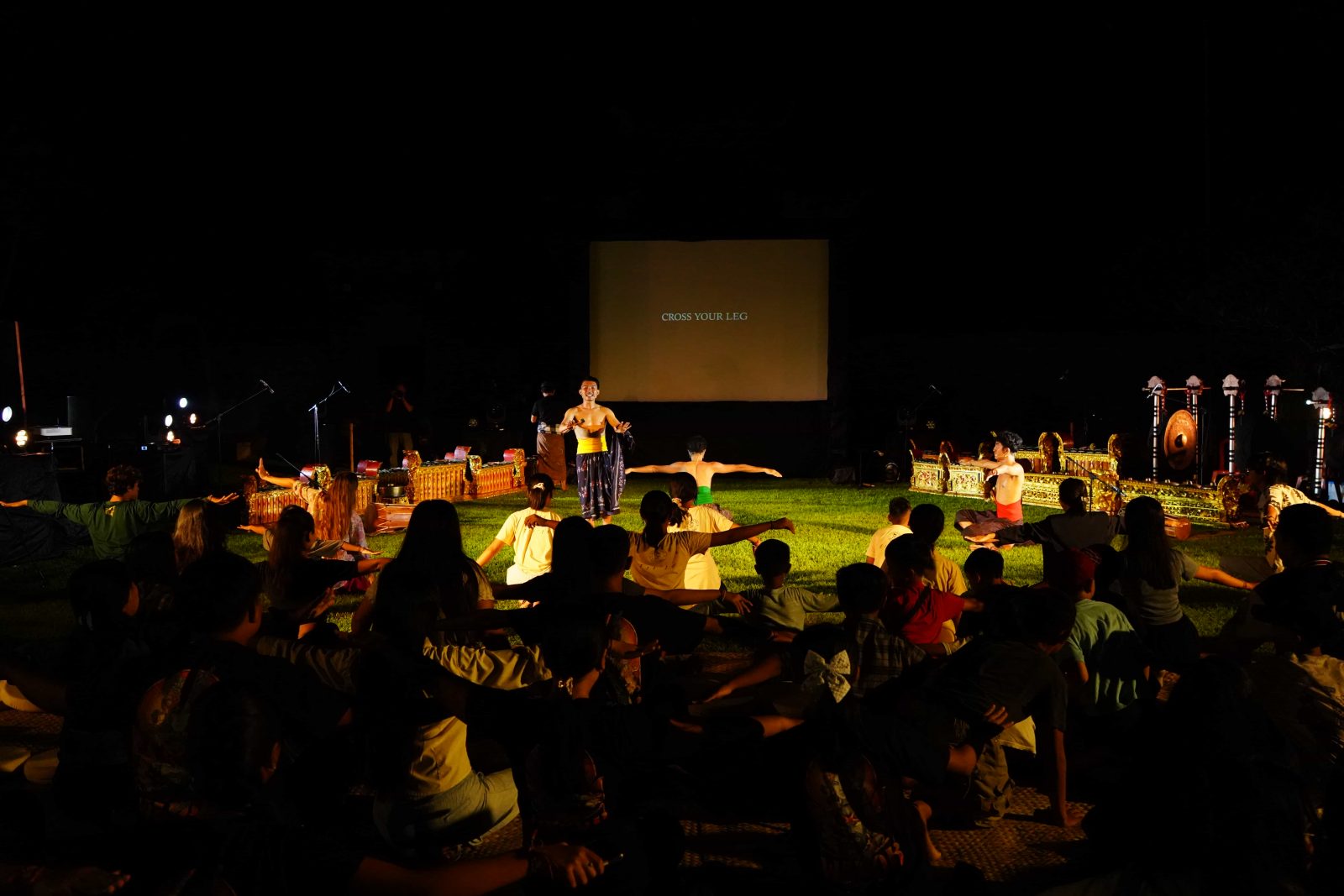
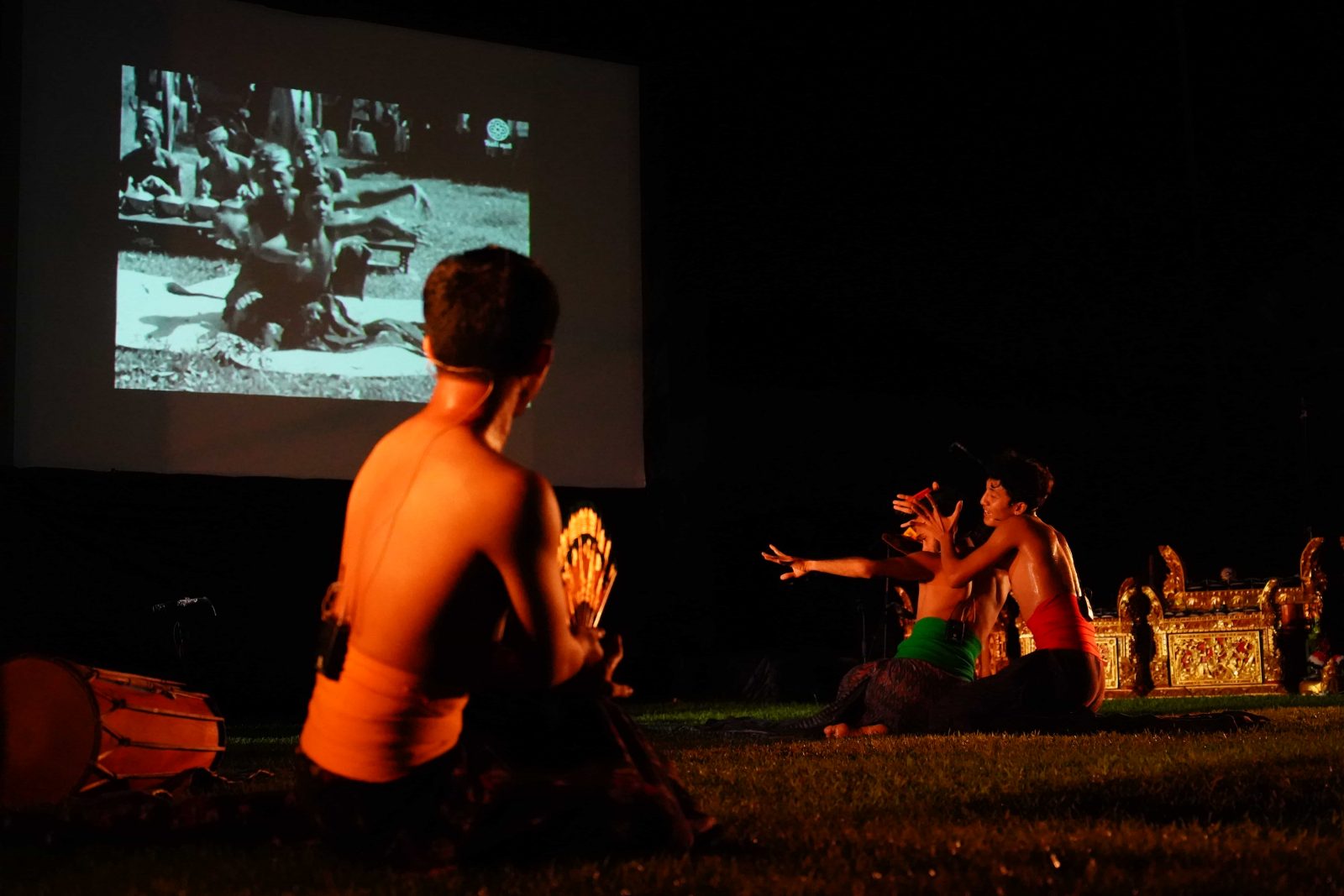
The (Famous) Squatting Dance takes squatting in Igel Jongkok, a work by Balinese dancer I Ketut Marya in the Bali 1928 Archive, as its starting point, alongside colonial-era archives on the image of the Balinese body. Developed through the research project Squatting & Dance, it traces how squatting is constructed in dance, performance, archives, and everyday life.
The squatting body appears as a counter-archive unsettling ethnographic documentation and exoticized images of Bali. A gesture associated with service, labour, or a ‘low’ position shifts into agency, stamina, memory, and political reflection. The performance treats the archive as a field touched, sounded, misread, and renegotiated through the body.
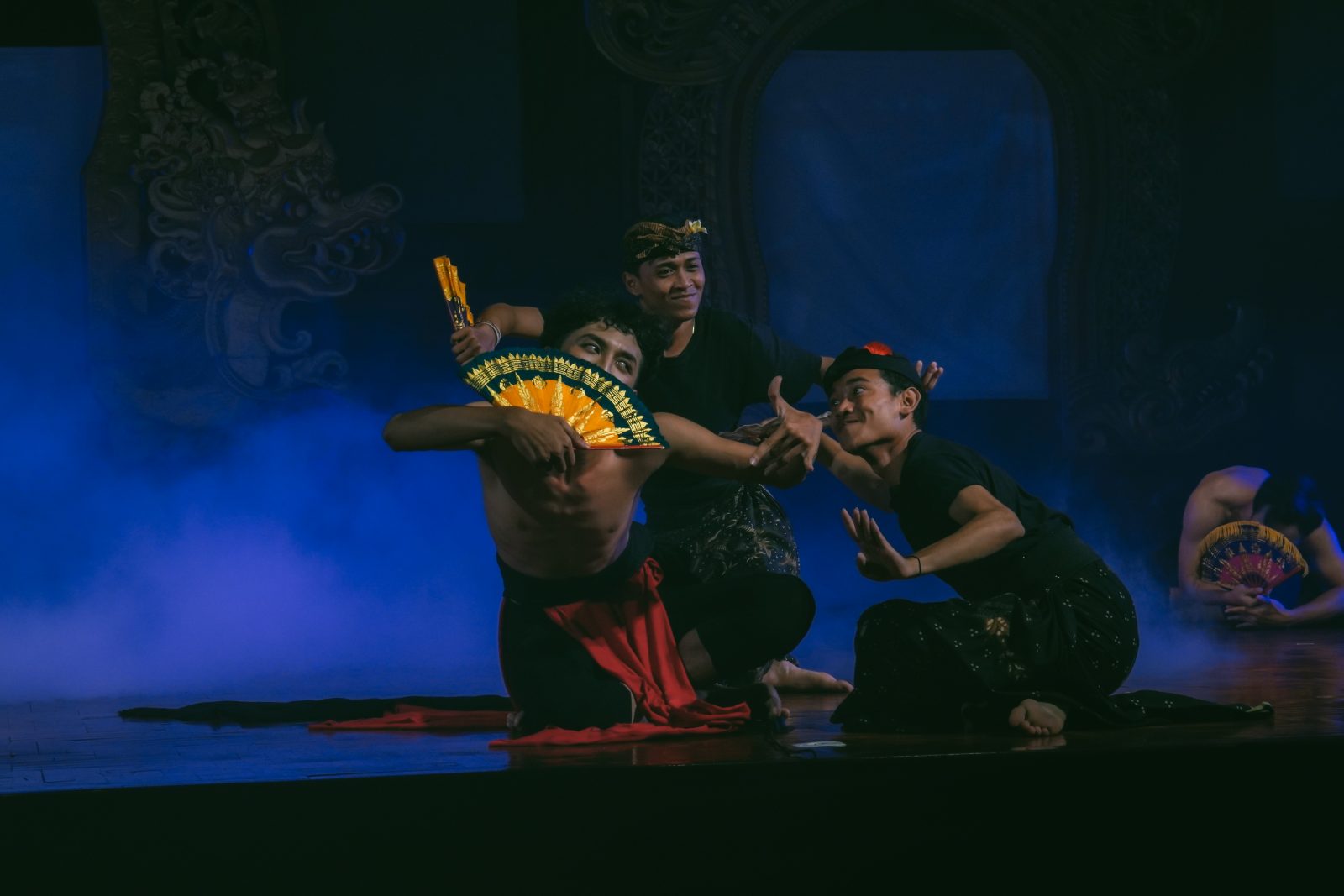
Close to the ground, between labour, play, service, humour, and endurance, squatting allows bodies to be read outside idealized heroic, masculine, feminine, or exotic images. Squatting becomes both method and question, inviting audiences to consider how movement, history, and everyday life shape one another.
-
Performers
- Agus Wiratama, Mang Tri Ray Dewantara
-
Staff
- Producer: Agus Wiratama
Co-Choreographer: Mang Tri Ray Dewantara
Audio-Visual Designer: Manik Sukadana
-
Credits
-
Planning & Production: Mulawali Institute
Supported by: The Japan Foundation
With support from: Langsai Titian Nusantara, Arsip Bali 1928
Presented by: Toyooka Theater Festival Executive Committee -
- Mulawali Institute
Mulawali Institute is an interdisciplinary artistic research and performing arts production initiative based in Denpasar, Bali. Founded in 2019, Mulawali creates theatre and performative practices that are critical, responsive, and open, while creating conditions for artists to work, meet, and grow. Through its initiatives, Mulawali offers another way of reading Bali as a social, aesthetic, and political field connected to contemporary global realities.
In practice, Mulawali is building a working environment through a network of associate artists. This network encourages horizontal knowledge exchange and opens space for embodied experiences, situated perspectives, and approaches across theatre, dance, performance art, literature, visual art, and curatorial practice.
Mulawali works experimentally and collaboratively through laboratories and performance production. Its activities include archiving, research, publication, festivals, arts programmes, and alternative learning formats rooted in local histories. Works have emerged from long-term artistic research, including Squatting & Dance (2021), Membaca Sanghyang (2023), and Decolonial Expo & Bali (2025).With a documentary-speculative approach, each work and programme is understood as an open site of knowledge for reflection, sharing, and growth. Mulawali seeks to build another horizon for knowledge in and through performing arts, grounded in Bali as a layered, situated, intersecting, and not always harmonious lived experience.
- Mulawali Institute
Mulawali Institute is an interdisciplinary artistic research and performing arts production initiative based in Denpasar, Bali. Founded in 2019, Mulawali creates theatre and performative practices that are critical, responsive, and open, while creating conditions for artists to work, meet, and grow. Through its initiatives, Mulawali offers another way of reading Bali as a social, aesthetic, and political field connected to contemporary global realities.
In practice, Mulawali is building a working environment through a network of associate artists. This network encourages horizontal knowledge exchange and opens space for embodied experiences, situated perspectives, and approaches across theatre, dance, performance art, literature, visual art, and curatorial practice.
Mulawali works experimentally and collaboratively through laboratories and performance production. Its activities include archiving, research, publication, festivals, arts programmes, and alternative learning formats rooted in local histories. Works have emerged from long-term artistic research, including Squatting & Dance (2021), Membaca Sanghyang (2023), and Decolonial Expo & Bali (2025).With a documentary-speculative approach, each work and programme is understood as an open site of knowledge for reflection, sharing, and growth. Mulawali seeks to build another horizon for knowledge in and through performing arts, grounded in Bali as a layered, situated, intersecting, and not always harmonious lived experience.